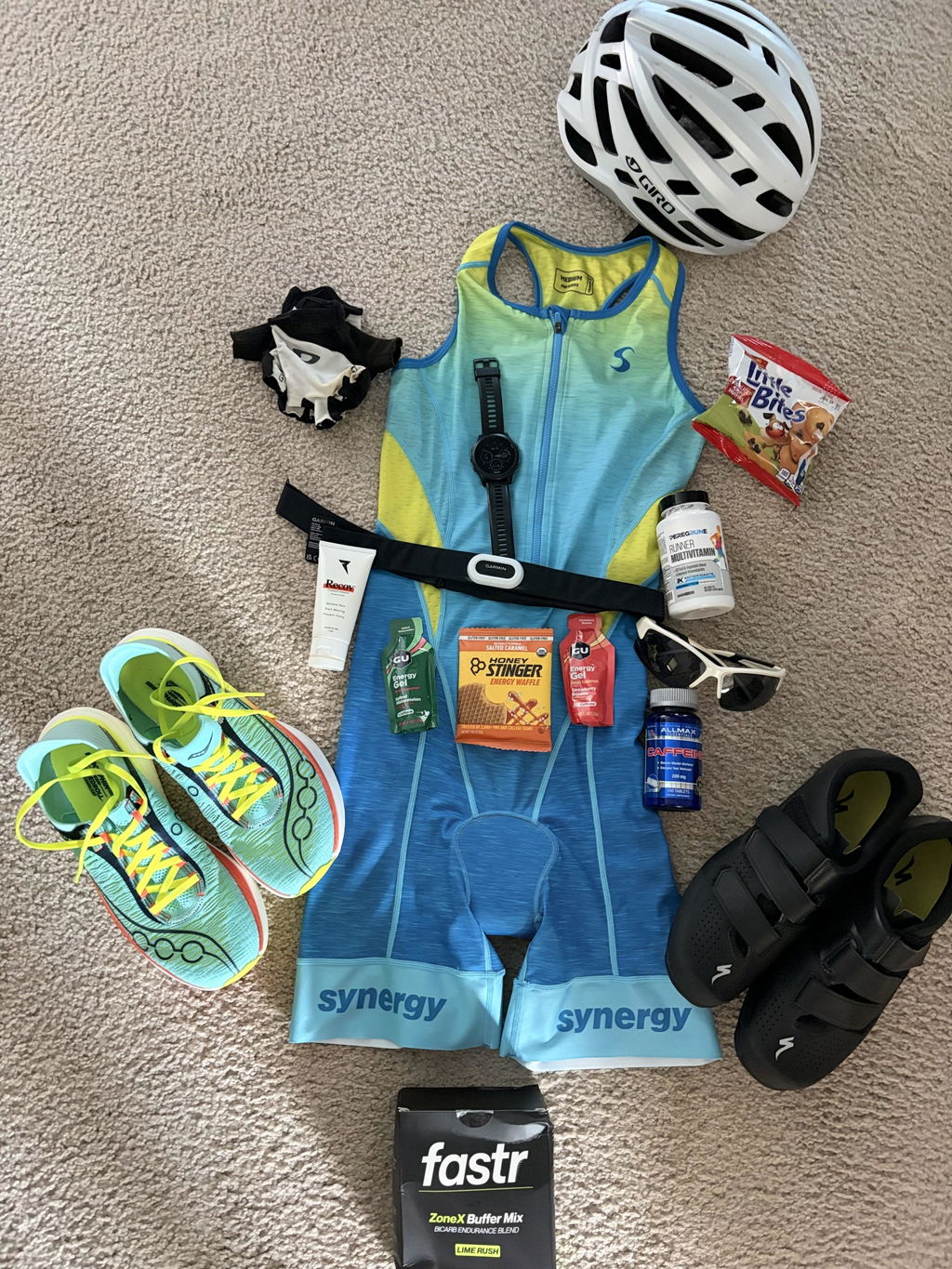
Atlanta finally had its first cool morning in months. I did my mid-morning tempo run and felt like I was flying.
I've been listening to Bill Bryson's A Short History of Nearly Everything on my runs lately. One of the chapters was about ice ages in Earth's history. Obviously, an ice age isn't an immediate concern. But over Earth's 4.5-billion-year history, ice has repeatedly advanced and retreated across huge portions of the planet. What I found surprising is how something so enormous can begin with something so small.
You don't need a cold winter. You need an unusually cool summer. (Not our problem in Atlanta this year.)
Snow falls during the winter, as it always does. Usually summer comes and melts it. But if the summer is just cool enough, some of the snow survives.
Snow reflects much more sunlight than the darker ground beneath it. So that leftover snow keeps the ground a little cooler. Cooler ground allows a little more snow to survive the next summer. More snow reflects more sunlight, which keeps things cooler still.
Year after year, snow accumulates faster than it melts. The weight compresses the lower layers into ice. The ice thickens. Eventually it begins to flow under its own weight, and glaciers spread across the land. Each step helps create the conditions for the next. The process starts feeding itself.
Running works the same way.
Your first run doesn't do much. Maybe you run three miles one morning. But you feel better afterward, so you're a little more likely to run again. Then running gets easier because you've been running. You get fitter, so you can run farther. You sleep better because you're training. You make slightly better choices because you don't want tomorrow's run to feel terrible.
Each decision makes the next decision a little easier. Do that long enough and something changes. You're no longer trying to start running. You're a runner. What once required motivation has momentum behind it.
Then the years start piling up. Your heart gets stronger. Your muscles and bones adapt. Your body changes. Thirty minutes on an ordinary morning becomes thousands of miles spread across decades.
We tend to look at the glacier and assume something enormous must have started it.
Turns out, it was just a little snow that didn't melt.